Introduction: A New Era of Smart Technology
Technology is no longer just about gadgets or apps; it has evolved into a powerful tool that is seamlessly woven into the fabric of our daily lives. From smart homes to intelligent healthcare systems, the advancements in smart technology are reshaping the way we live, work, and play. As these innovations grow more sophisticated, they offer exciting possibilities for greater convenience, efficiency, and even sustainability. This blog explores the different ways in which smart technology is becoming a part of our everyday lives, revolutionizing industries, and changing the way we interact with the world around us.
Smart Homes: The Future of Living
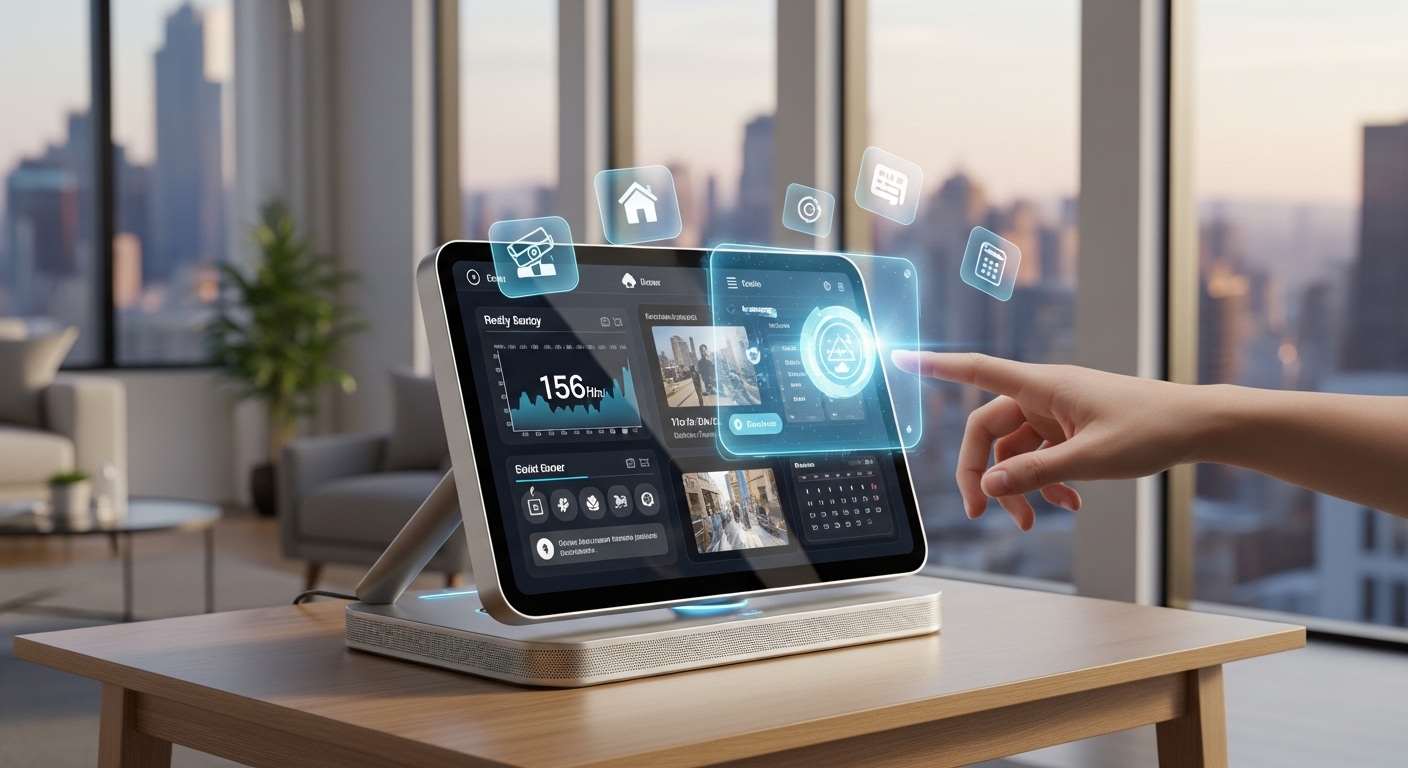
Smart homes are no longer a futuristic concept; they’re a reality. With smart devices like thermostats, security cameras, lighting systems, and voice assistants, homes are becoming more automated, efficient, and secure. Imagine waking up in the morning and having your smart thermostat adjust the temperature to your preferred setting, your lights turning on gradually to mimic the sunrise, and your coffee machine brewing a fresh cup—all before you even get out of bed.
The beauty of smart homes lies in their ability to simplify everyday tasks and enhance convenience. With the integration of artificial intelligence, these systems can learn your preferences over time and automatically adjust settings to fit your routine. Furthermore, smart homes are improving energy efficiency by optimizing heating, cooling, and lighting systems, which can help reduce utility bills and contribute to a more sustainable lifestyle.
Wearable Tech: The Intersection of Fashion and Function
In the past, wearable technology was primarily focused on fitness trackers. Today, however, the world of wearables has expanded to include smartwatches, health-monitoring devices, and even smart clothing. These gadgets are helping individuals monitor their health in real-time, track workouts, and even manage chronic conditions without the need for constant medical checkups.
Smartwatches, for example, can track heart rate, monitor sleep patterns, and even detect signs of stress. They can also serve as personal assistants, allowing users to check notifications, make calls, and navigate apps—all from their wrist. Meanwhile, advances in smart clothing have led to the creation of garments that monitor your body’s temperature, posture, and muscle movement, providing feedback to improve physical performance or even prevent injury.
What makes wearables especially powerful is their ability to continuously collect and analyze data. This data, when processed using artificial intelligence and machine learning algorithms, can provide insights into a person’s overall health, helping them make informed decisions about their well-being.
Artificial Intelligence: The Brain Behind Smart Tech
Artificial Intelligence (AI) is the engine that powers much of the smart technology we use today. From voice assistants like Siri and Alexa to the recommendation algorithms on streaming platforms, AI has become a central part of how we interact with technology. But the impact of AI extends far beyond convenience and entertainment. AI is also being used in areas such as healthcare, customer service, and transportation to solve complex problems and improve outcomes.
In healthcare, AI is being employed to analyze medical data, assist in diagnosing conditions, and even predict patient outcomes. In customer service, chatbots powered by AI can handle a variety of inquiries, freeing up human agents for more complex tasks. In transportation, AI is helping to drive the development of autonomous vehicles, which could one day transform how we get from point A to point B.
As AI continues to evolve, its applications will only grow more sophisticated. In the near future, we can expect AI to play an even more integral role in industries ranging from manufacturing to education, all while making our personal devices smarter and more responsive to our needs.
Smart Healthcare: Revolutionizing Patient Care
The healthcare industry is undergoing a significant transformation thanks to smart technology. Telemedicine, remote patient monitoring, and AI-powered diagnostics are changing the way healthcare is delivered and making it more accessible to people around the world. Smart devices, such as wearable health trackers, now allow individuals to monitor their vital signs, track chronic conditions, and even share real-time data with their healthcare providers.
Smart healthcare is also benefiting doctors and medical practitioners. With the use of AI and machine learning, doctors can analyze patient data more accurately and quickly, leading to more precise diagnoses and treatment plans. Additionally, robots and automation are being used in surgery, providing greater precision and reducing recovery times for patients.
Perhaps one of the most exciting aspects of smart healthcare is the potential for it to reach underserved communities. With the ability to offer remote consultations and monitor patients remotely, smart health technology can bridge the gap in access to quality care, particularly in rural and low-income areas.
Smart Cities: The Intersection of Technology and Urban Planning
As more people move to cities, urban areas are becoming increasingly crowded, leading to challenges related to traffic, pollution, and resource management. Smart city technology aims to address these issues by integrating digital solutions to improve the quality of life for residents and create more sustainable urban environments.
Smart cities use sensors, data analytics, and the Internet of Things (IoT) to monitor and manage everything from traffic flow to waste management. For example, smart traffic lights can adjust in real-time to reduce congestion, while IoT sensors can track air quality and detect pollution hotspots. These technologies are helping cities operate more efficiently, reduce their environmental footprint, and enhance the safety and well-being of their citizens.
In addition, smart cities offer greater opportunities for innovation in areas like public transportation, energy usage, and urban planning. With better data collection and analysis, city planners can make more informed decisions, leading to the development of cities that are not only smarter but also more sustainable.
The Future of Smart Tech: Challenges and Opportunities
While the benefits of smart technology are clear, there are also challenges to consider. Privacy and security concerns are among the most significant issues, as the more connected our devices become, the greater the risk of data breaches and cyberattacks. Additionally, the rapid pace of technological advancement means that some people may struggle to keep up with the latest innovations, leading to digital divides in society.
However, these challenges are not insurmountable. As smart technology becomes more mainstream, we can expect improved security measures, greater user control over personal data, and initiatives to make technology more accessible to all. In fact, the rise of smart tech presents exciting opportunities to rethink how we live, work, and interact with the world around us, and to create a future that is more efficient, sustainable, and inclusive.
Conclusion: Embracing the Smart Tech Revolution
The rise of smart technology is transforming every aspect of our daily lives. From smart homes and wearables to AI-powered healthcare and smart cities, these innovations are making the world more connected, efficient, and responsive to our needs. As we continue to embrace these advancements, it’s essential to ensure that we address the challenges they bring while maximizing their potential to improve our lives.
As we look to the future, one thing is certain: the smart tech revolution is only just beginning. The possibilities are endless, and the impact on our daily lives will only continue to grow as technology becomes more integrated, intuitive, and intelligent. The question is not whether we can adapt to this new era, but how we can leverage these innovations to create a better, more connected world for generations to come.