Introduction
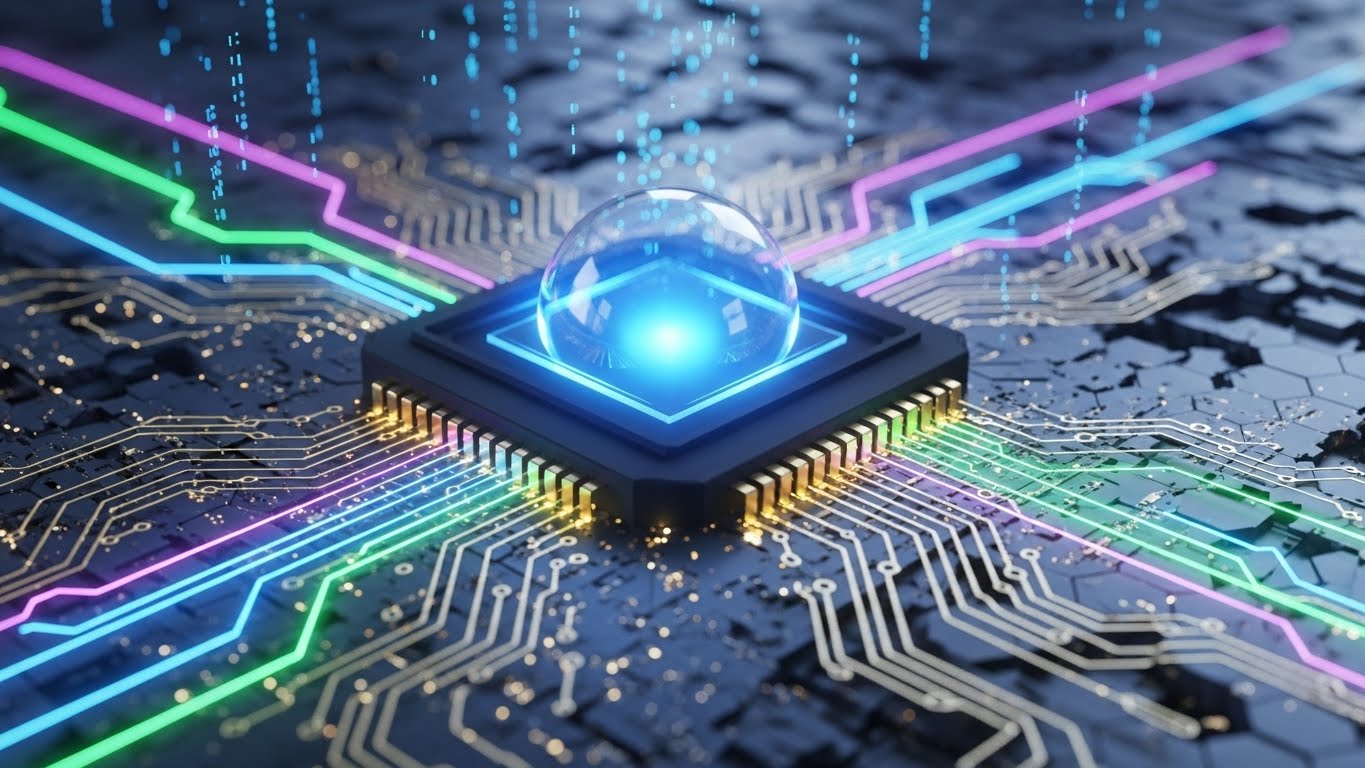
Technology has always shaped the world, but the pace at which it evolves today is unlike any era before. We stand on the edge of breakthroughs that once existed only in speculative fiction. From quantum computing to ambient AI, from autonomous systems to bio-integrated devices, the next wave of innovation is not simply improving what we know. Instead, it is redefining what is possible. This blog explores the emerging technologies that are poised to transform industries, daily life, and the very nature of human progress.
The Dawn of Quantum Computing
For decades, traditional computers have relied on bits that store information as zeros or ones. Quantum computing introduces a new approach where qubits can exist as both zero and one at the same time. This ability unlocks an extraordinary processing power that grows exponentially with each additional qubit.
While classical computers struggle with complex simulations or massive mathematical problems, quantum machines may one day complete these tasks in minutes. Industries such as pharmaceuticals, cybersecurity, finance, and logistics are closely watching this space. Quantum simulations could accelerate drug discovery. Financial institutions could unlock deeper predictive analytics. Supply chains could be optimized beyond anything possible today.
We are still in the early stages, but the foundations are being laid. As quantum processors become more stable and scalable, the world could soon see computational capabilities unlike anything previously imaginable.
Artificial Intelligence Becoming Ambient
Artificial intelligence is no longer a tool we interact with only when we need it. It is becoming ambient and integrated into the environments around us. This shift represents one of the most significant transformations in human-computer interaction.
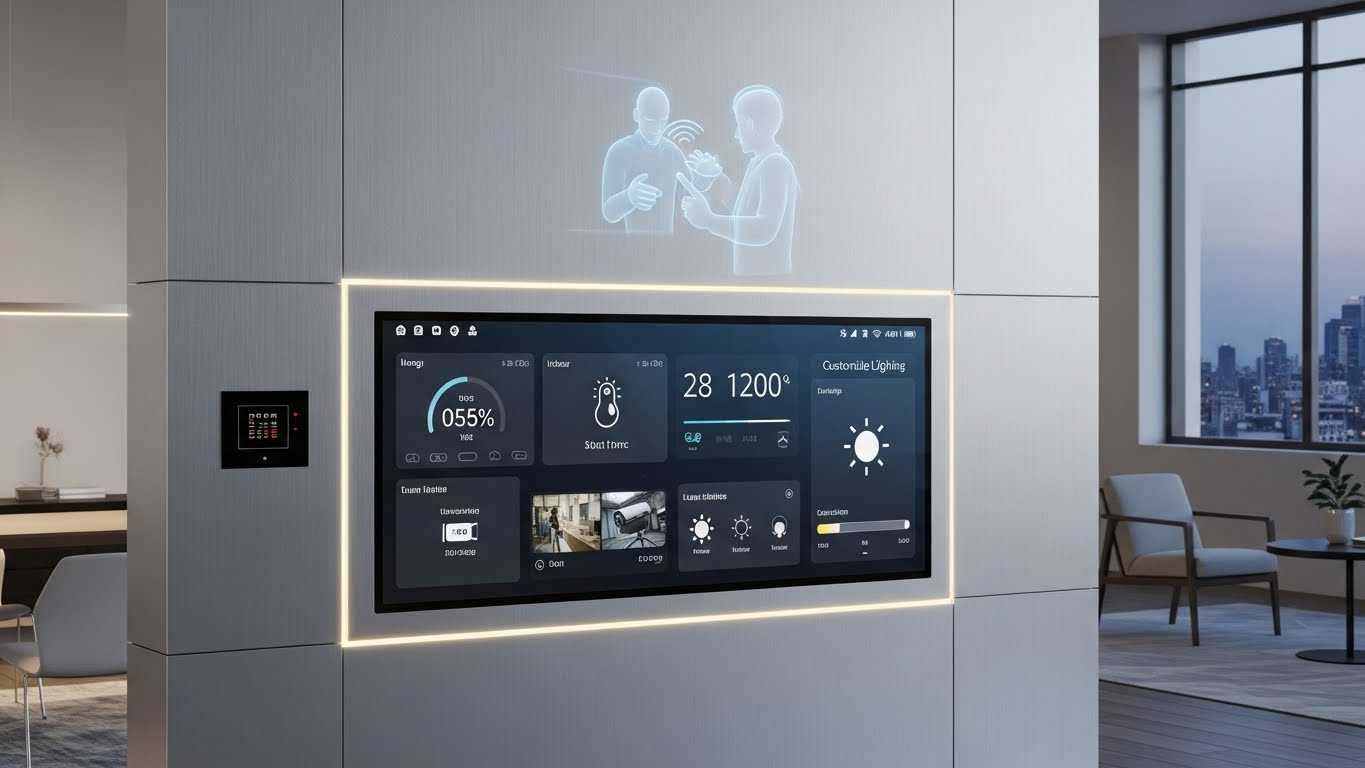
Ambient AI means that intelligent systems quietly work in the background, understanding context, learning patterns, and delivering assistance without needing explicit commands. Smart homes already provide hints of this future. Lights adjust automatically. Thermostats learn your routines. Devices respond to natural language.
But this is just the beginning. In workplaces, ambient AI can schedule tasks, monitor operational flows, and analyze conversations to capture action points. In healthcare, it could track patient patterns and alert professionals before symptoms worsen. In transportation, it could adjust traffic systems dynamically to reduce congestion.
As AI becomes more embedded into our lives, the challenge will be ensuring transparency, trust, and ethical design. The future is one where humans and AI work in harmony, but only if the systems are built with care.
The Rise of Edge Computing
Cloud computing changed the digital landscape, but edge computing is redefining the next era of connectivity. Instead of sending all data to distant servers, edge devices process information closer to where it is generated. This reduces latency, enhances security, and improves performance.
Edge computing will become increasingly essential as billions of connected devices populate homes, cities, and industries. Autonomous vehicles must make decisions in real time. Smart factories rely on microsecond responses. Healthcare wearables need instant analysis to detect emergencies. All of these require processing power at the edge.
This shift is also reducing the burden on cloud infrastructure, enabling more efficient and resilient digital systems. As 5G expands, edge computing will become even more fundamental, supporting applications that demand high-speed, low-latency operations.
Bio-Integrated Technologies Changing the Human Experience
Technology is beginning to merge with biology in ways that were previously unimaginable. Bio-integrated devices, smart implants, and advanced wearables are pushing humanity toward a future where health and technology are deeply intertwined.
These innovations range from sensors woven into clothing that track vital signs to neural implants that help people regain lost functions. In the future, people may monitor health conditions continuously, receiving real-time alerts and personalized insights.
Another rising area is synthetic biology, which uses engineering principles to modify living organisms. This could lead to breakthroughs in sustainable materials, agriculture, medicine, and environmental restoration. Imagine crops designed to withstand extreme climates or bacteria engineered to clean toxic waste.
With bio-technology advancements, ethical considerations become more crucial than ever. Balancing progress with responsibility will define the future of human-centered innovation.
Autonomous Systems Redefining Industries
Autonomous systems are reshaping everything from manufacturing to transportation. While self-driving vehicles get most of the attention, automation extends far beyond cars. Autonomous drones are transforming logistics and surveying. Automated machinery powers smart factories. Agricultural robots are improving farming efficiency.
These systems rely on advanced sensors, AI decision-making, and constant data collection. The result is greater precision, lower labor costs, and improved safety. In industries such as mining, automated machines already perform dangerous tasks, reducing risks to human workers.
However, the rise of autonomy also brings questions. What role will humans play in automated industries? How can we adapt skillsets for jobs that require more oversight and less manual labor? The answer lies in designing systems that complement people rather than replace them entirely.
Extended Reality Transforming How We Work and Learn
Extended reality, which includes virtual, augmented, and mixed reality, is becoming a central part of digital life. These immersive technologies are transitioning from entertainment tools to essential platforms for education, design, collaboration, and healthcare.
In workplaces, virtual environments allow remote teams to collaborate as if they were in the same room. Architects can walk through digital models of buildings before construction begins. Surgeons can practice complex procedures using realistic simulations. Students can explore historical worlds or scientific environments in ways textbooks cannot offer.
The biggest challenge for extended reality is ensuring comfort, accessibility, and affordability. Devices are becoming lighter, displays more realistic, and software more capable. Within a few years, extended reality may become as common as smartphones.
Cybersecurity Entering a New Era
As technology grows more advanced, so do cyber threats. Modern cybersecurity must protect systems that are increasingly interconnected and intelligent. The risks extend beyond computers and mobile devices to smart appliances, autonomous machines, and entire networks of IoT systems.
Artificial intelligence is already being used to identify threats in real time, detect anomalies, and protect against attacks before damage occurs. But cybercriminals are also using AI, creating an arms race that challenges organizations to innovate constantly.
Another major concern is the future impact of quantum computing on encryption. Traditional security methods may become vulnerable once quantum machines reach higher capabilities. Preparing quantum-resistant encryption standards is one of the top priorities for cybersecurity experts.
In this evolving landscape, cybersecurity must be proactive rather than reactive. Human awareness, strong policies, and intelligent systems will be essential for long-term protection.
Sustainable Tech: The Core of Future Innovation
Sustainability is no longer optional. It is becoming the foundation of every emerging technology. Innovations in renewable energy, green materials, carbon capture, and efficient manufacturing are ensuring that the future is not only advanced but responsible.
Solar and wind energy continue to grow at rapid rates. Battery technology is improving, enabling longer-lasting storage solutions. Smart grids are balancing energy loads more efficiently. Even in computing, new designs aim to reduce power consumption in data centers and devices.
Circular technology — where devices are designed for repair, reuse, and recycling — is gaining attention. The rising awareness around e-waste is pushing companies to create products that last longer and generate less environmental impact.
Sustainable tech ensures that progress does not come at the expense of the planet. It creates a future where innovation and environmental responsibility exist side by side.
The Human Side of Technological Evolution
With all these advancements, one truth remains unchanged: technology should serve humanity. The most impactful innovations are those that enhance our lives, open new opportunities, and make society more inclusive.
As AI, automation, biotechnology, and immersive systems continue to evolve, the human side of technology becomes even more important. Ethics, fairness, accessibility, and diversity must guide innovation. The future belongs to societies that embrace technology while safeguarding human values.
Conclusion
We are entering a period where technology is not merely evolving but transforming the world at its core. Quantum computers promise unimaginable processing power. AI becomes part of our environment. Bio-integrated systems blend machines with the human body. Autonomous systems redefine industries. Extended reality changes how we interact with digital spaces.
These innovations are not distant fantasies. They are emerging today, quietly shaping the future one breakthrough at a time. As we move forward, the greatest opportunity lies in using technology not just to advance industries but to empower people, strengthen communities, and create a world where progress benefits all.