
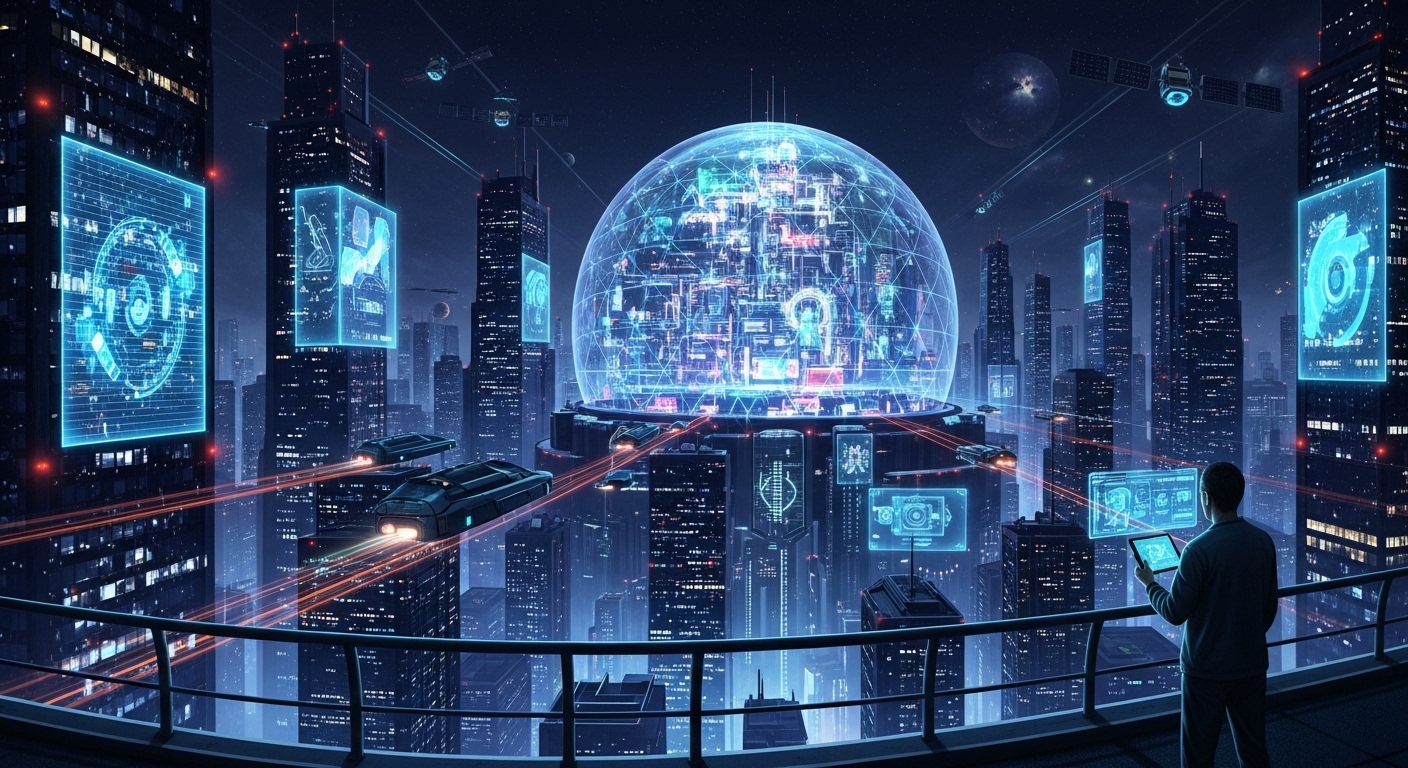
In 2025, technology is not just a tool we use—it’s become an integral part of how we live, work, and interact. The rapid advancement of digital solutions has transformed industries, homes, and even our social lives. As we stand at the intersection of innovation and everyday living, it’s clear that tech is not only enhancing convenience but also driving unprecedented change. Let’s dive into the ways technology is shaping our lives and the implications it has for the future.
The Rise of Smart Homes and IoT Integration
In recent years, the concept of the “smart home” has evolved from a futuristic idea to an everyday reality. With advancements in the Internet of Things (IoT), devices are now more interconnected than ever before. Home assistants like Alexa, Google Home, and Siri have become household staples, but their capabilities have expanded beyond just answering questions or playing music. Today, they can control everything from your thermostat to your lights, security cameras, and even your refrigerator.
Smart homes are no longer limited to just convenience; they also offer greater energy efficiency and security. AI-driven systems can adjust your home’s energy consumption, help you track your habits, and even detect potential security threats. The fusion of IoT and machine learning promises to create homes that are not only responsive but predictive, anticipating your needs before you even ask.
The Evolution of Work: AI and Automation
Another area where technology has made significant strides is in the workplace. Automation, AI, and machine learning have transformed industries from healthcare to finance, logistics, and education. In 2025, many businesses are leaning heavily into AI to enhance efficiency, reduce costs, and improve decision-making processes.
AI-powered tools are not just for large enterprises—small and medium businesses now have access to software that can handle everything from data analysis to customer service, creating a more streamlined and effective operation. Robotic process automation (RPA) is being used to manage routine tasks like data entry, freeing up employees to focus on higher-value work.
Moreover, the hybrid work model, a trend accelerated by the global pandemic, has solidified itself as a permanent fixture. Virtual collaboration tools have become more advanced, and virtual reality (VR) and augmented reality (AR) technologies are making remote work more immersive and interactive. Teams can now work together in virtual spaces that simulate a real office environment, improving communication and creativity.
Transforming Healthcare: From Telemedicine to Personalized Care
The healthcare industry has seen a profound transformation thanks to advancements in technology. Telemedicine, which gained prominence during the COVID-19 pandemic, has evolved into a mainstream service in 2025. Remote consultations, AI-powered diagnostics, and wearable health tech devices are now central to patient care, allowing for continuous monitoring and real-time intervention.
Wearable devices such as smartwatches and fitness trackers can track everything from heart rate to sleep patterns, helping users better understand their health and well-being. In addition, AI algorithms are now capable of analyzing medical data to predict potential health issues before they become critical, leading to personalized treatment plans that are tailored to each individual’s needs.
One of the most exciting developments is the use of biotechnology in personalized medicine. Advances in gene-editing technologies like CRISPR are paving the way for tailored therapies that can correct genetic defects, offering hope for previously untreatable conditions. The fusion of technology and biology is revolutionizing the way we approach health and medicine, making care more proactive, personalized, and accessible.
The Digitalization of Entertainment: AR and VR Take the Spotlight
Entertainment, too, has been transformed by technology. In 2025, the line between the physical world and digital experiences is increasingly blurred, with augmented reality (AR) and virtual reality (VR) technologies taking center stage. VR gaming, once a niche hobby, has become a fully immersive experience with more sophisticated hardware and software.
Beyond gaming, AR is changing the way we experience the world around us. From interactive advertisements to virtual try-ons in fashion, AR applications are now commonplace, offering users unique and dynamic ways to engage with products and services. For example, you can try on clothes virtually, visualize how furniture fits in your living room, or even attend virtual concerts from the comfort of your home.
Additionally, the rise of streaming platforms and AI-curated content is revolutionizing how we consume media. AI algorithms can now analyze your viewing habits and preferences, offering highly personalized recommendations. The entertainment landscape has evolved to cater not only to traditional audiences but also to niche communities, thanks to the global reach of digital platforms.
Sustainability Through Tech: Green Innovations for a Better Planet
As the world continues to face the challenges of climate change and environmental degradation, technology is playing a crucial role in sustainability efforts. From renewable energy technologies to electric vehicles, tech is helping us reduce our carbon footprint and move toward a more sustainable future.
One of the most promising developments is the use of AI and big data to optimize energy use in industries and homes. Smart grids, which leverage AI to balance energy consumption, are helping reduce waste and improve efficiency. Meanwhile, solar and wind energy are becoming more cost-effective and widely adopted, thanks to advancements in materials science and energy storage solutions.
Electric vehicles (EVs) are now mainstream, and advances in battery technology are allowing for longer ranges and faster charging times. In 2025, EVs are expected to dominate the automotive market, contributing to the reduction of fossil fuel reliance and the overall decrease in greenhouse gas emissions.
Conclusion: A World More Connected, Efficient, and Intelligent
As we look toward the future, it’s clear that technology will continue to play an increasingly important role in our lives. From smart homes and work automation to healthcare advancements and entertainment innovations, the integration of tech into our daily routines is inevitable. While there are still challenges to overcome, such as cybersecurity and digital inequality, the potential benefits of embracing these technologies far outweigh the obstacles.
In the end, technology’s greatest power lies not just in the tools we use, but in the possibilities they create—possibilities that can improve our lives, protect our planet, and drive human progress into the next era. The future is not just a digital world; it’s a world shaped by the innovation and creativity of those who harness technology for the greater good.