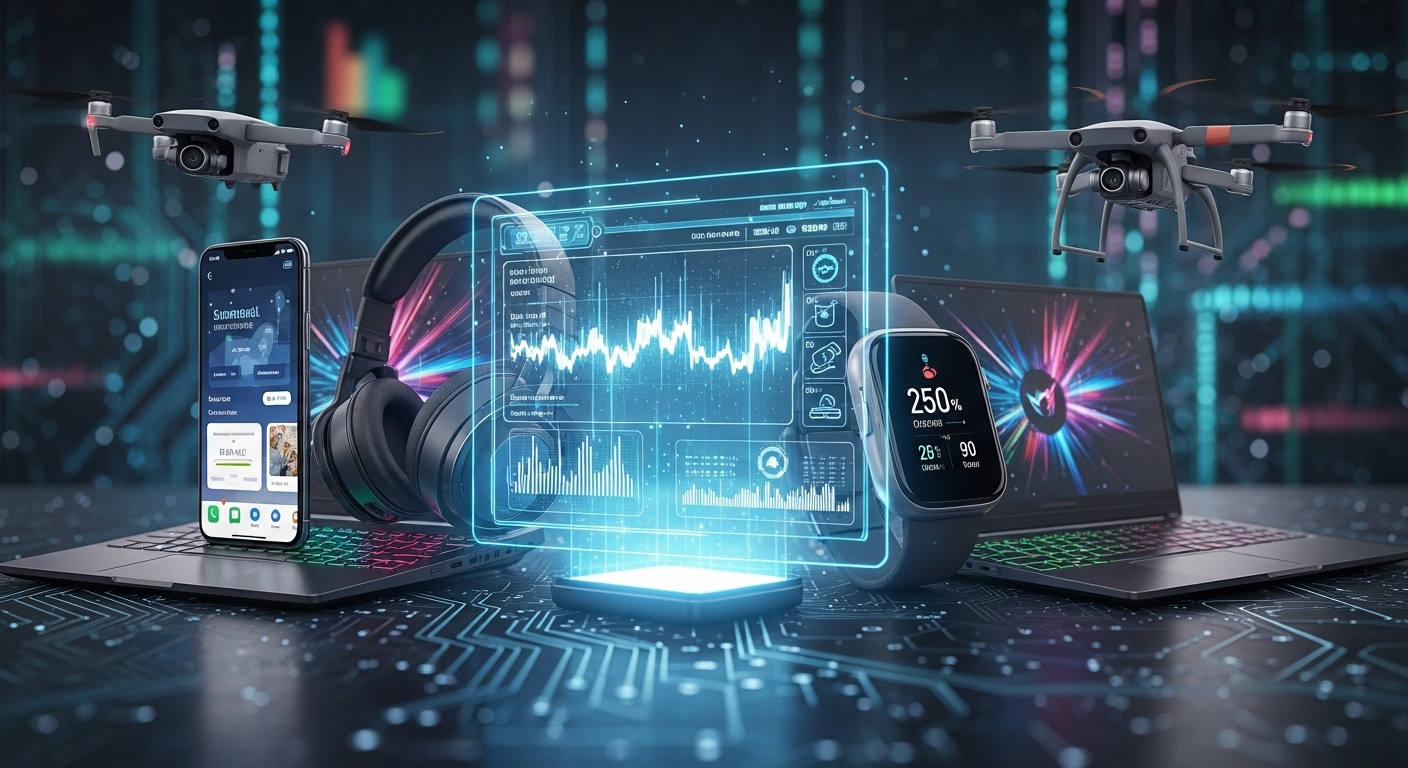
Technology is no longer simply a tool we use; it is the very framework of our modern lives. From the moment we wake up and check our smartphones to the devices we rely on at work, technology touches almost every aspect of our daily routine. Its influence extends beyond convenience—it transforms industries, empowers individuals, and drives social change. In this blog, we explore the vast impact of technology, the trends shaping the future, and how these innovations are redefining what is possible.
The Evolution of Technology
The history of technology is a story of human ingenuity. From the invention of the wheel to the first computers, humans have always sought to improve their lives through tools and innovation. Early technological advances focused on mechanical systems, but the digital revolution introduced an entirely new era.
The 20th century brought personal computers, the internet, and mobile phones, changing how we communicate and access information. Today, technology moves at a pace that was unimaginable just a few decades ago. Advances in artificial intelligence, cloud computing, and wearable devices are transforming industries, creating new opportunities, and challenging traditional ways of thinking. The rapid evolution of technology has made it not just an accessory to life, but a defining feature of modern society.
Artificial Intelligence: Redefining Possibilities
Artificial intelligence is one of the most influential technological advancements of the 21st century. AI systems can analyze massive amounts of data, learn from patterns, and make decisions with unprecedented speed and accuracy. From virtual assistants to self-driving cars, AI has applications across nearly every sector.
In business, AI is used for predictive analytics, customer service, and operational efficiency. Healthcare professionals use AI to detect diseases early and design personalized treatment plans. Even creative industries are seeing AI-driven tools assisting in design, music composition, and content creation. As AI continues to evolve, it promises to augment human capabilities, making tasks faster, smarter, and more efficient than ever before.
The Rise of Smart Devices
The Internet of Things has transformed ordinary objects into intelligent devices capable of collecting and sharing data. Smart homes now include devices that monitor energy usage, security, and even air quality. Wearable technology tracks fitness, sleep patterns, and health metrics, helping people make informed lifestyle choices.
In industry, smart devices enhance productivity and efficiency. Sensors on manufacturing equipment can detect problems before they become critical, reducing downtime and costs. The rise of connected devices has created a networked environment where information flows seamlessly, making technology more responsive and personalized than ever.
Cloud Computing and Digital Transformation
Cloud computing has revolutionized the way businesses and individuals manage data. By storing information on remote servers accessible from anywhere, cloud technology allows organizations to scale operations without investing heavily in infrastructure. It also provides secure, flexible platforms for collaboration and innovation.
Cloud-based software enables real-time collaboration across the globe, supporting remote work and digital learning. Businesses leverage cloud solutions for data analytics, artificial intelligence, and application development. This accessibility and flexibility have accelerated digital transformation, allowing companies to adapt quickly to changing market demands and consumer expectations.
Cybersecurity in the Digital Age
As technology becomes increasingly integrated into daily life, cybersecurity has emerged as a critical priority. Cyber threats such as data breaches, malware attacks, and phishing scams target both individuals and organizations. Protecting sensitive information requires robust security measures and proactive strategies.
Modern cybersecurity relies on encryption, multi-factor authentication, and AI-driven threat detection. Companies must also educate employees and users about safe digital practices. With the expansion of connected devices and cloud-based services, cybersecurity is no longer optional—it is essential for maintaining trust, privacy, and operational continuity.
5G Technology and Enhanced Connectivity
The rollout of 5G networks marks a significant milestone in communication technology. Compared to previous generations, 5G offers faster speeds, lower latency, and higher capacity, enabling seamless connectivity for billions of devices.
This technology supports innovations such as autonomous vehicles, smart cities, and remote healthcare. High-speed networks enhance streaming, virtual reality experiences, and real-time data analysis. By providing reliable, rapid communication, 5G is laying the foundation for a more connected, efficient, and responsive world.
Virtual Reality and Augmented Reality
Virtual reality and augmented reality are transforming how we interact with digital environments. Virtual reality immerses users in entirely simulated worlds, while augmented reality overlays digital information on real-world surroundings. These technologies are changing entertainment, education, healthcare, and even marketing.
VR provides immersive learning experiences, allowing students to explore historical events or complex scientific concepts interactively. Surgeons use AR to enhance precision during operations, and businesses use AR to demonstrate products in engaging, interactive ways. By blending digital content with reality, these technologies create experiences that were once impossible, expanding the boundaries of imagination and utility.
Technology in Healthcare
Healthcare is one of the sectors experiencing the most profound impact from technology. Telemedicine has made healthcare accessible to people in remote areas, while AI-driven diagnostics enable early detection of illnesses. Wearable devices monitor vital signs, giving patients and doctors actionable insights in real time.
Robotics in surgery improves precision and reduces recovery times, and electronic health records streamline patient information management. Technology has not only improved efficiency but also elevated the quality of care, allowing for more personalized and proactive health management.
Remote Work and the Future of Work
The workplace is evolving rapidly due to digital tools. Remote work has become standard for many industries, supported by collaboration platforms, cloud computing, and virtual meeting technologies. Employees can now work from anywhere, balancing productivity with flexibility.
Automation and AI are transforming job roles, eliminating repetitive tasks while creating opportunities in areas such as data analysis, cybersecurity, and digital marketing. Continuous learning and adaptability are essential skills in this environment, as the integration of technology reshapes both traditional careers and entrepreneurial opportunities.
Green Technology and Sustainability
Technology plays a key role in addressing environmental challenges. Renewable energy sources, electric vehicles, and energy-efficient devices contribute to reducing carbon footprints. Smart grids optimize energy distribution, and AI-driven systems improve resource management in agriculture and industry.
Sustainable technology not only addresses environmental concerns but also offers economic and social benefits. Innovations in this space are critical for ensuring that technological progress aligns with the goal of a sustainable, healthy planet.
Ethical Considerations in Technology
As technology becomes increasingly pervasive, ethical considerations grow in importance. Issues such as data privacy, algorithmic bias, and digital accessibility must be addressed to ensure technology serves society responsibly.
Developers, businesses, and policymakers play a role in creating frameworks for ethical use. Transparency, inclusivity, and accountability are essential to building trust in technological solutions. Balancing innovation with ethics ensures that technology empowers people rather than causing unintended harm.
The Future of Technology
The future of technology promises further integration into every facet of life. Advancements in artificial intelligence, quantum computing, biotechnology, and immersive digital environments will continue to redefine what is possible.
Technology will create opportunities for solving global challenges, from climate change to healthcare and education. As innovation accelerates, society must focus on responsible adoption, ensuring that technological growth benefits everyone equitably. The potential for progress is immense, but it requires thoughtful implementation and a commitment to human-centered design.
Conclusion
Technology has moved far beyond convenience—it now shapes how we live, work, and interact with the world. From AI and smart devices to cloud computing and virtual realities, technology is transforming industries, empowering individuals, and redefining possibilities.
The key to embracing the future is understanding both the potential and responsibilities that come with technological advancement. Ethical, sustainable, and inclusive innovation will ensure that the benefits of technology are shared broadly, creating a world where progress enhances quality of life for all. As we stand in the midst of the digital era, one thing is certain: technology will continue to inspire, challenge, and transform humanity in ways we are only beginning to imagine.