
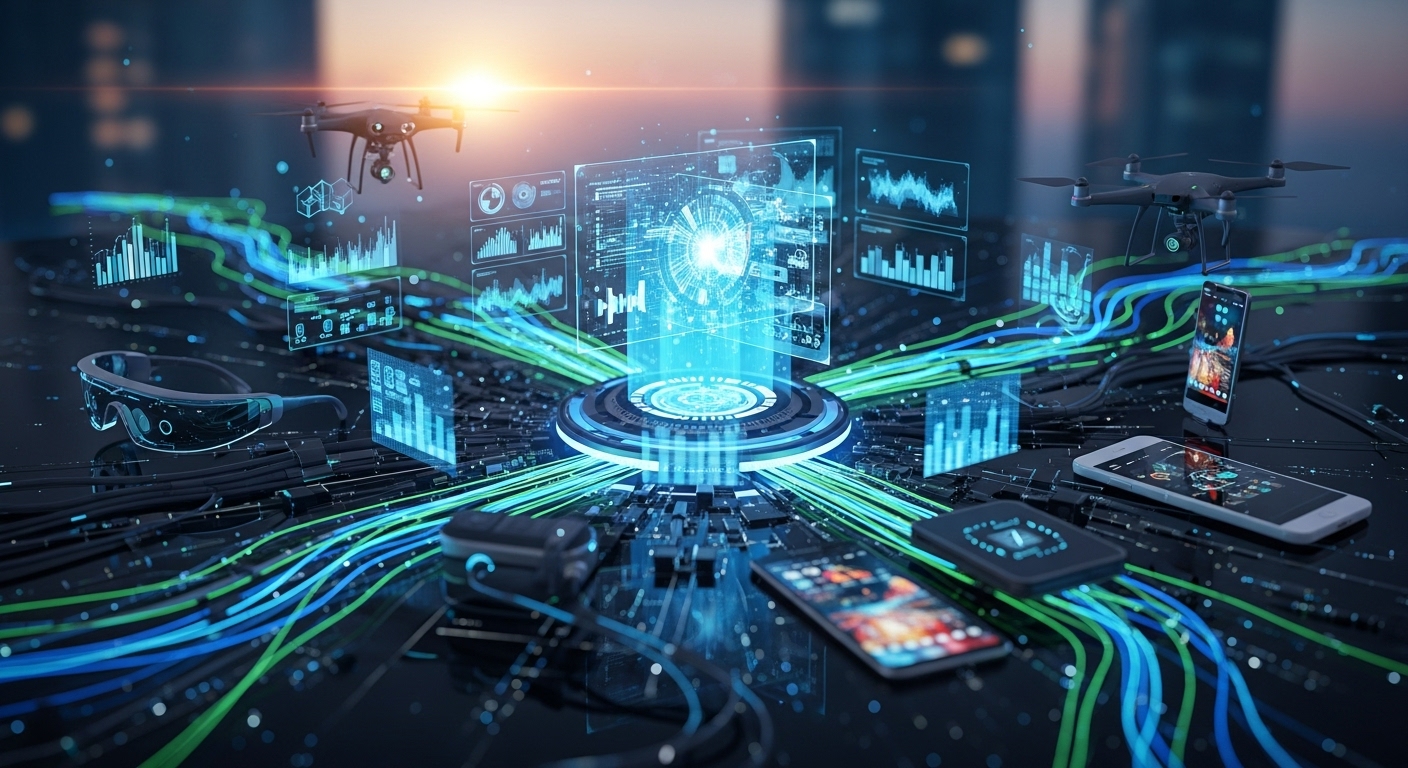
Introduction: Technology as a Driver of Change
Technology is no longer just a tool; it has become the central force shaping modern life. From the smartphones we carry to the artificial intelligence guiding businesses and governments, technology touches every aspect of human existence. It influences how we communicate, learn, work, and even think. The rapid pace of technological advancement is transforming society at an unprecedented rate, offering both opportunities and challenges. Understanding how technology impacts our world is crucial for navigating the present and preparing for the future.
The Evolution of Technology
Human civilization has always progressed alongside technological innovation. The invention of the wheel, the printing press, and the steam engine marked significant turning points in history. However, the digital age has accelerated the pace of change dramatically. Computers, the internet, and mobile devices have revolutionized communication, commerce, and information sharing. Every decade brings new breakthroughs, from cloud computing to artificial intelligence, that reshape industries and daily life. The evolution of technology reflects humanity’s constant drive to improve efficiency, creativity, and connectivity.
Artificial Intelligence and Machine Learning
Artificial intelligence (AI) is arguably the most transformative technology of the modern era. AI systems analyze large amounts of data, recognize patterns, and make decisions, often faster and more accurately than humans. Machine learning, a subset of AI, allows systems to improve automatically through experience. AI applications span industries including healthcare, finance, transportation, and entertainment. From predicting medical diagnoses to optimizing supply chains, AI enhances efficiency and accuracy. The growing capabilities of AI are redefining how we solve problems, make decisions, and interact with technology.
The Internet of Things: Connecting Everything
The Internet of Things (IoT) refers to a network of connected devices that communicate with each other and collect data in real time. Smart homes, wearable health devices, and connected vehicles illustrate how IoT integrates technology into everyday life. In industries, IoT enables predictive maintenance, automated production, and real-time monitoring. This interconnected ecosystem enhances convenience, efficiency, and safety while generating valuable insights. IoT represents a convergence of digital and physical systems, making our environments more intelligent and responsive.
Cloud Computing and Digital Transformation
Cloud computing has transformed the way individuals and organizations store, process, and access information. By shifting resources to the cloud, businesses can reduce costs, scale operations, and improve collaboration. Cloud technology enables remote work, real-time data analysis, and secure storage solutions. It also supports digital transformation initiatives across industries, allowing companies to innovate and adapt quickly. For individuals, cloud services provide access to documents, applications, and entertainment from any device, reflecting a shift toward a more connected and flexible digital world.
Robotics and Automation
Robotics and automation are revolutionizing both industry and daily life. Manufacturing industries have embraced automation to improve precision, reduce costs, and enhance productivity. Surgical robots assist doctors in performing complex procedures with minimal invasiveness, while autonomous vehicles promise to redefine transportation. Robotics also extends to everyday life through smart appliances, drones, and service robots. By performing repetitive, dangerous, or complex tasks, robots enhance human capability, demonstrating technology’s role in improving efficiency and quality of life.
Biotechnology and Healthcare Innovation
Technological advances in biotechnology are reshaping healthcare. Genomic research, wearable medical devices, and advanced imaging techniques enable early diagnosis and personalized treatments. Gene editing technologies have opened new possibilities for curing diseases once considered untreatable. Telemedicine, powered by technology, allows patients to access healthcare services remotely, improving accessibility and efficiency. Biotechnology illustrates how technology not only extends life but also enhances the quality of care, offering solutions to some of humanity’s most pressing challenges.
Communication in the Digital Age
Technology has transformed how humans communicate. Social media platforms, instant messaging, video calls, and collaborative tools allow real-time interaction across the globe. This connectivity has changed personal relationships, professional collaboration, and social movements. Technology enables rapid information dissemination and cultural exchange, shrinking the world into a more connected global community. While digital communication presents challenges such as misinformation and privacy concerns, it also offers unprecedented opportunities for collaboration, learning, and engagement.
Technology in Education
Education has been revolutionized by technology. Online learning platforms, digital classrooms, and educational apps provide access to knowledge anytime and anywhere. Adaptive learning systems tailor educational content to individual students, enhancing understanding and retention. Technology also fosters collaborative learning, connecting students and educators worldwide. By integrating digital tools into education, learners acquire not only subject knowledge but also critical digital literacy skills, preparing them for a technology-driven world.
Entertainment and Digital Media
Technology has transformed entertainment, creating new ways for audiences to engage with content. Streaming platforms, video games, virtual reality, and interactive experiences offer immersive entertainment. Advances in digital production, animation, and visual effects expand creative possibilities for artists and developers. Technology enables content creators to reach global audiences and fosters interactive engagement, turning passive viewers into active participants. The intersection of creativity and technology is reshaping how we consume and experience entertainment.
Ethics and Responsibility in Technology
With great technological power comes great responsibility. Ethical considerations in AI, data privacy, cybersecurity, and automation are critical. Decisions made by machines can have far-reaching consequences, making transparency, accountability, and fairness essential. Society must navigate the balance between innovation and ethical responsibility, addressing potential issues such as job displacement, algorithmic bias, and surveillance. Ethical technology development ensures that advancements benefit humanity while minimizing harm.
Sustainability and Green Technology
Technology plays a key role in addressing environmental challenges. Renewable energy, smart grids, electric vehicles, and energy-efficient devices reduce the carbon footprint and promote sustainability. Innovations in agriculture, waste management, and water conservation leverage technology to optimize resources and protect ecosystems. By combining scientific research with technological solutions, society can create sustainable practices that balance progress with environmental stewardship. Technology enables humanity to tackle climate change and safeguard the planet for future generations.
The Future of Technology
The future promises even more profound technological integration into daily life. Emerging fields such as quantum computing, space exploration, augmented reality, and advanced AI are poised to redefine human experience. Smart cities, autonomous transportation, and digital healthcare ecosystems will create environments that are efficient, safe, and responsive. The continued evolution of technology will shape economies, societies, and cultures, creating opportunities and challenges previously unimaginable. Preparing for the future requires adaptability, innovation, and a commitment to ethical and responsible use of technology.
Conclusion: Technology as a Catalyst for Human Potential
Technology is not merely a tool; it is a catalyst that amplifies human potential. It enhances problem-solving, creativity, and efficiency while enabling global connectivity and innovation. From healthcare to education, from communication to entertainment, technology shapes every facet of life. As advancements continue at an accelerating pace, it is essential to embrace opportunities responsibly, ensuring equitable access and ethical practices. By doing so, technology can serve as a force for progress, empowering humanity to achieve more, connect deeper, and build a sustainable, thriving future.