
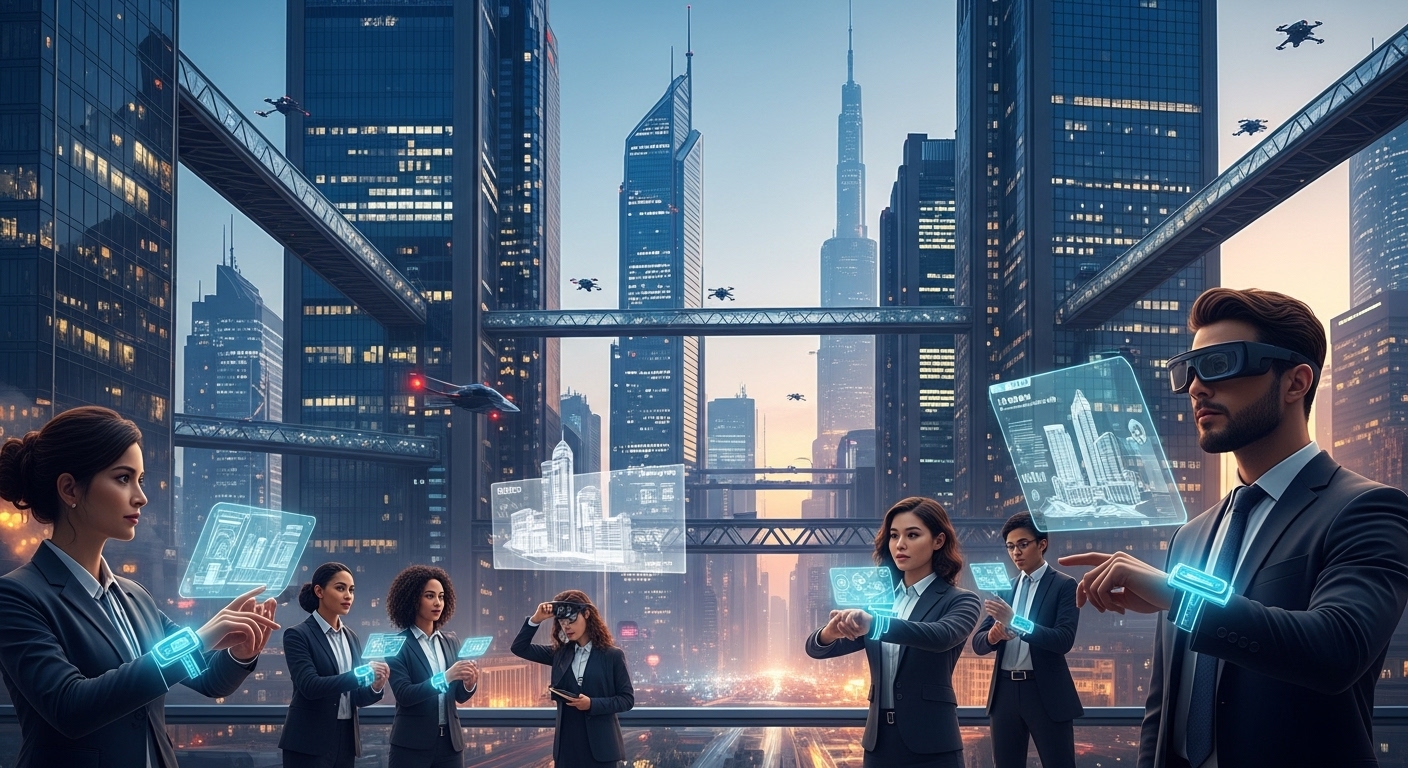
Technology has become the invisible thread connecting nearly every aspect of modern life. From the way we communicate to how we work, learn, and even relax, technological innovation drives our daily experiences. Over the last few decades, the pace of change has accelerated dramatically, bringing both opportunities and challenges. While technology empowers us with new capabilities, it also demands careful consideration of ethics, sustainability, and human well-being.
This blog explores the evolution of technology, its transformative impact on society, its influence on various industries, and the potential future of human life in a tech-driven world.
The Evolution of Technology
Technology is not a modern invention; it has been an essential part of human civilization for thousands of years. Early humans created simple tools for hunting, farming, and construction. Fire, the wheel, and early irrigation systems marked milestones that shaped human survival and development.
The Industrial Revolution brought unprecedented change. Steam engines, textile machinery, and electricity transformed economies and societies. Urbanization, mechanization, and mass production laid the groundwork for modern life.
The 20th century saw the advent of computers, telecommunications, and the internet. The invention of microprocessors and mobile devices revolutionized access to information. Today, artificial intelligence, robotics, and connected devices define the technological landscape, creating a world that is more interconnected, intelligent, and fast-paced than ever before.
The Digital Transformation of Society
Digital transformation refers to integrating technology into all aspects of life and business. It changes how organizations operate, deliver services, and interact with people. Businesses now use cloud computing, big data analytics, and automation to enhance efficiency, reduce costs, and improve customer experiences.
E-commerce platforms have redefined shopping habits, while digital banking allows financial transactions to be completed with a few taps on a smartphone. Education, healthcare, and governance are also being revolutionized, providing more accessibility, personalization, and transparency. Digital transformation is not just about technology; it is a cultural shift that reshapes behaviors, expectations, and opportunities.
Artificial Intelligence: Machines That Learn and Adapt
Artificial intelligence, commonly known as AI, is reshaping the world by enabling machines to think, learn, and make decisions. AI powers virtual assistants, recommendation systems, autonomous vehicles, and predictive analytics. It has applications in healthcare, finance, transportation, and more.
In healthcare, AI analyzes medical images to detect diseases early and assists in treatment planning. In finance, AI identifies fraud and improves investment decisions. Retailers use AI to tailor personalized shopping experiences, while logistics companies optimize routes and deliveries using AI-driven algorithms.
Despite its benefits, AI also raises ethical concerns. Issues such as data privacy, bias in algorithms, and the displacement of jobs highlight the need for responsible AI development. Ensuring that AI serves humanity positively requires careful regulation, transparency, and ethical guidelines.
The Internet of Things: Connecting Everyday Life
The Internet of Things, or IoT, connects physical objects to the internet, allowing them to collect, share, and analyze data. From smart homes to wearable devices, IoT creates a seamless, interconnected environment that improves efficiency and convenience.
In healthcare, IoT devices monitor vital signs, track medication adherence, and support remote consultations. In agriculture, sensors measure soil conditions, helping farmers increase yields while conserving resources. In urban planning, IoT manages traffic flow, energy consumption, and public safety, making cities smarter and more responsive.
As networks like 5G expand, IoT will enable faster, more reliable connections, facilitating innovations such as autonomous vehicles, real-time health monitoring, and intelligent infrastructure. The IoT ecosystem transforms daily life by making it more connected, efficient, and data-driven.
Technology in Education
Education has been profoundly transformed by technology. Online learning platforms, virtual classrooms, and interactive tools have made education accessible to learners worldwide. Technology allows personalized learning experiences that adapt to individual needs, pacing, and learning styles.
Artificial intelligence enhances education by analyzing student performance, identifying learning gaps, and recommending targeted resources. Virtual reality and augmented reality provide immersive experiences, enabling students to explore historical events, scientific phenomena, or artistic creations in new ways.
The democratization of education through technology empowers people of all ages to acquire knowledge and skills, fostering lifelong learning and innovation. As education continues to evolve, technology will remain central in shaping how knowledge is acquired, shared, and applied.
Technology in Healthcare
Healthcare has been revolutionized by technological innovation. Telemedicine allows patients to consult with doctors remotely, while robotic surgeries enhance precision and reduce recovery times. Wearable devices monitor physical activity, heart rates, and sleep patterns, empowering individuals to take control of their health.
Artificial intelligence assists in early diagnosis, predictive modeling, and treatment optimization. Biotechnology and genetic research have enabled personalized medicine, tailoring treatments based on individual genetic profiles. Technology also supports public health by tracking disease outbreaks, managing resources, and improving access to care.
The integration of technology in healthcare improves efficiency, accessibility, and outcomes, creating a more patient-centered system that responds dynamically to the needs of society.
Communication in the Digital Era
Technology has transformed communication, enabling instant, global interaction. Messaging apps, social media, and video conferencing allow people to connect regardless of distance. Businesses leverage digital communication for marketing, customer service, and collaboration.
Communication technologies have also reshaped social interactions, fostering communities around shared interests. However, the digital era brings challenges, including misinformation, privacy concerns, and online harassment. Digital literacy and responsible communication practices are essential to ensure positive engagement in a connected world.
Technology and the Environment
Technology has a complex relationship with the environment. Industrialization and electronic waste contribute to environmental degradation, while innovative solutions provide tools to address sustainability challenges.
Renewable energy technologies, such as solar, wind, and hydroelectric power, reduce reliance on fossil fuels. Smart grids optimize energy distribution, and sustainable materials reduce waste and pollution. Environmental monitoring systems use sensors and data analysis to track air quality, water resources, and biodiversity.
The responsible application of technology can help mitigate environmental damage and promote sustainable development, ensuring that innovation aligns with ecological preservation.
The Future of Work and Automation
Automation and robotics are redefining the nature of work. Machines can perform repetitive and hazardous tasks more efficiently than humans, improving productivity and safety. In industries such as manufacturing, logistics, and agriculture, automation enables humans to focus on creative, strategic, and analytical roles.
Remote work technology, powered by cloud computing and collaboration platforms, allows employees to work from anywhere in the world. However, automation also raises concerns about job displacement and the need for reskilling. The future workforce will require continuous learning, adaptability, and technological literacy to thrive in a rapidly evolving job market.
Ethical Challenges in Technology
The rapid advancement of technology raises ethical questions that must be addressed. Data privacy, cybersecurity, and algorithmic bias are pressing concerns. Responsible innovation is necessary to prevent misuse, protect individuals, and ensure that technological benefits are equitable.
Artificial intelligence introduces unique ethical considerations, including accountability, transparency, and fairness. Autonomous systems, decision-making algorithms, and surveillance technologies require ethical oversight to prevent harm and uphold societal values. The challenge lies in balancing innovation with responsibility and human-centered principles.
Emerging Technologies and the Road Ahead
Emerging technologies such as quantum computing, augmented reality, and biotechnology promise to redefine the boundaries of what is possible. Quantum computing has the potential to solve complex problems that are currently beyond the reach of classical computers. Augmented and virtual reality will create immersive experiences for education, entertainment, and professional training. Biotechnology will revolutionize medicine, agriculture, and environmental management.
The future of technology depends on how it is developed, applied, and governed. Innovation must prioritize human welfare, sustainability, and ethical responsibility to ensure that technology enhances life without compromising values.
Conclusion: Embracing a Tech-Driven Future
Technology is a double-edged sword. It empowers humanity with unprecedented capabilities while presenting challenges that require careful management. Its impact on healthcare, education, communication, work, and the environment demonstrates its transformative potential.
The path forward requires thoughtful innovation, ethical oversight, and a commitment to inclusivity. Technology should serve as a tool to enhance human potential, strengthen communities, and create a sustainable world. As we navigate the ever-changing landscape of the digital age, the goal is not just to advance technology, but to ensure it improves lives, fosters creativity, and promotes meaningful connections.
The story of technology is the story of human ingenuity. It is a journey of curiosity, problem-solving, and progress that continues to shape the future of our planet. By embracing technology responsibly, we can create a world that is smarter, more connected, and more resilient, ensuring that innovation benefits all of humanity.