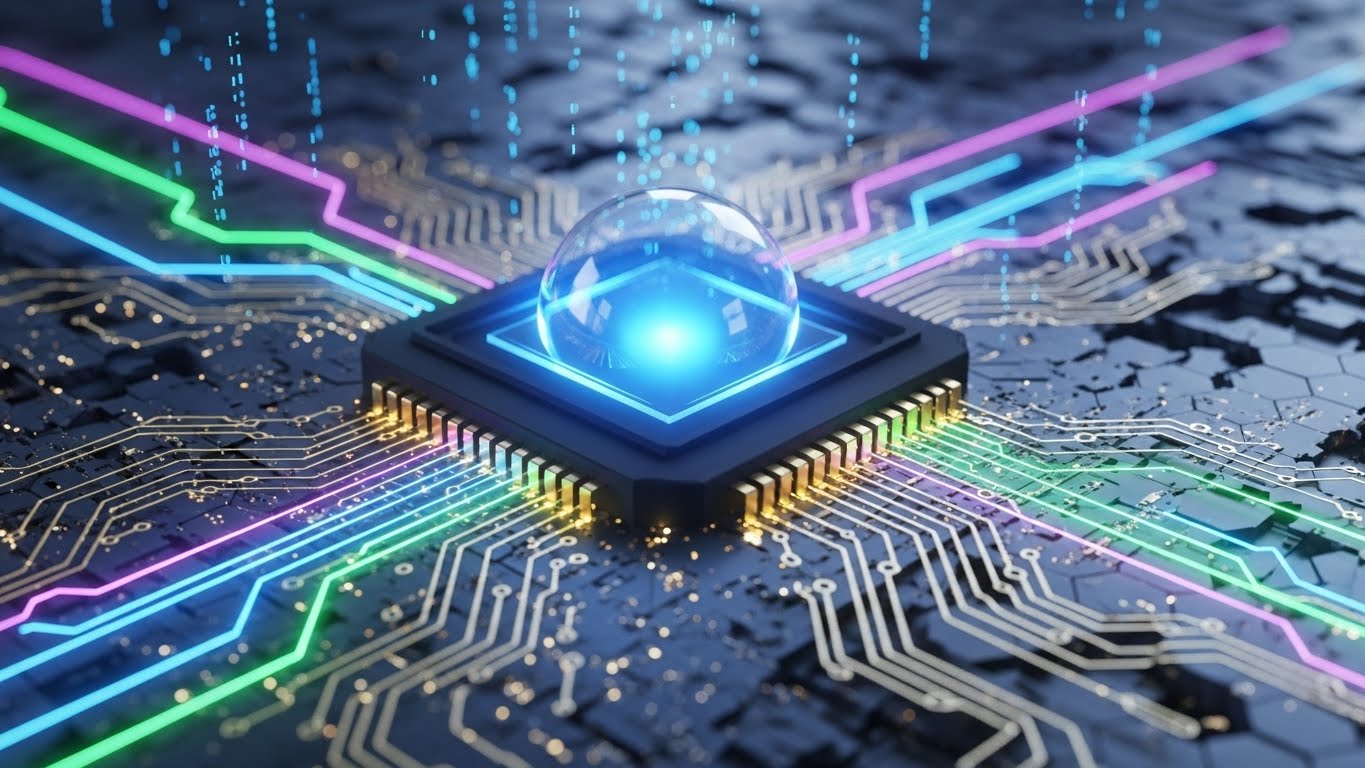

Technology has become the heartbeat of modern civilization. It influences how we live, communicate, work, learn, and even think. From the moment we wake up to the sound of an alarm on our smartphones to the instant we fall asleep under the soft glow of a digital screen, technology surrounds every aspect of our existence. It has turned into the defining force of the twenty-first century, shaping societies, industries, and the very nature of human connection.
The Evolution of Technology Through Time
Human progress has always been intertwined with technological evolution. The first spark of innovation came when early humans crafted tools from stone, marking the beginning of a journey that would define civilization. Fire, the wheel, and agriculture were the earliest examples of human ingenuity transforming survival into progress.
The Industrial Revolution was another pivotal chapter. Steam engines, electricity, and mechanization changed how people worked and lived. The twentieth century then brought inventions that redefined communication and comfort—telephones, radios, televisions, and automobiles. But it was the computer that ignited a new era, leading to the digital revolution that continues to evolve at an astonishing pace today.
Every generation has seen a leap in technological advancement, but never before has progress occurred as rapidly as it does now. Innovation has become exponential, meaning that each breakthrough leads to multiple others, creating a web of interconnected technologies that evolve together.
The Digital Revolution and Its Impact
The digital revolution marked the turning point from mechanical systems to electronic and information-based technology. The invention of computers and the rise of the internet changed everything. Data became the new form of power, and information the most valuable resource.
Computers that once filled entire rooms now fit in our pockets with processing power that surpasses early supercomputers. The internet has become a global network that connects billions of people. Social media platforms, online education, cloud computing, and e-commerce have reshaped human behavior.
This digital transformation has also redefined industries. Banking became online, healthcare adopted digital recordkeeping, manufacturing embraced automation, and entertainment shifted from cinemas and CDs to streaming platforms and digital downloads. The digital revolution continues to evolve, driven by artificial intelligence, data science, and advanced networking.
The Role of Artificial Intelligence
Artificial Intelligence, or AI, stands as one of the most transformative forces in modern technology. It refers to systems capable of performing tasks that traditionally required human intelligence—such as understanding language, recognizing patterns, learning from experience, and making decisions.
AI now powers countless aspects of daily life. Virtual assistants, recommendation systems, facial recognition, and even autonomous vehicles rely on AI. In business, AI analyzes massive datasets to predict trends, improve efficiency, and assist in decision-making. In medicine, it helps detect diseases earlier and develop personalized treatments.
AI’s impact extends beyond productivity—it challenges our understanding of creativity and ethics. As machines begin to write, compose music, and even create art, society faces questions about what it means to be human. The challenge ahead is to ensure that AI remains a tool that enhances human potential rather than replacing it.
The Internet of Things and Connected Living
The Internet of Things (IoT) is another remarkable example of how technology integrates seamlessly into daily life. IoT connects physical devices to the internet, allowing them to collect and exchange data. From smart thermostats that adjust temperatures automatically to wearable health trackers that monitor vital signs, IoT brings intelligence to everyday objects.
In cities, IoT enables smart infrastructure—traffic lights that adapt to congestion, waste bins that signal when they are full, and energy systems that optimize consumption. In homes, connected appliances and voice-controlled assistants create convenience and efficiency. In industries, IoT improves logistics, manufacturing, and maintenance through real-time monitoring.
The connected world of IoT symbolizes the next stage of human-technology interaction, where devices anticipate needs and act autonomously. While it promises comfort and innovation, it also introduces challenges related to privacy and data security, highlighting the need for responsible technological integration.
The Transformation of Communication
Perhaps no area of life has been more deeply changed by technology than communication. Once limited to letters and landline calls, human communication has become instantaneous, global, and visual. The rise of mobile phones, messaging apps, and video conferencing has erased physical distances, making interaction seamless across continents.
Social media platforms transformed how people share information and express themselves. They created new ways to connect, collaborate, and influence. Technology gave every individual a voice, empowering communities and movements to form around shared interests.
However, this constant connectivity also brought new social dynamics. The speed of information spread increased dramatically, leading to both opportunities and challenges. Digital communication redefined relationships, marketing, and even politics, showing that technology is not just a tool—it shapes culture itself.
Technology in Education
Education has perhaps experienced one of the most profound transformations through technology. The traditional classroom, once confined by walls and textbooks, has expanded into a digital universe of information and interaction.
Online learning platforms and digital resources have made education accessible to anyone with an internet connection. Virtual classrooms, video lectures, and interactive content allow students to learn at their own pace. Teachers use digital tools to track progress, personalize learning experiences, and foster creativity.
Artificial intelligence assists in identifying student strengths and weaknesses, while virtual reality offers immersive educational experiences. A student can now explore ancient ruins, study the human body in 3D, or conduct virtual experiments—all through technology.
Education has become borderless, encouraging lifelong learning. As technology continues to advance, the focus of education is shifting from memorizing facts to developing creativity, critical thinking, and adaptability—skills necessary in a rapidly changing world.
Technology in Healthcare
Few fields demonstrate the life-changing potential of technology as clearly as healthcare. Digital innovation has revolutionized how we prevent, diagnose, and treat diseases. From advanced imaging to telemedicine, technology has turned healthcare into a more precise, efficient, and personalized experience.
Wearable devices track health metrics like heart rate, sleep, and physical activity, helping individuals manage their wellness proactively. Telehealth connects patients with doctors remotely, breaking barriers of distance and access. Artificial intelligence assists in medical imaging, predicting diseases, and discovering new drugs faster than ever before.
Robotic surgery enhances precision, while data analytics identifies public health trends and improves policy decisions. The convergence of biotechnology and digital innovation promises even greater advancements, including genetic medicine and personalized healthcare solutions.
Technology in healthcare is not just about machines—it’s about empowerment. It gives people greater control over their health, turning medical care into a partnership between human expertise and digital intelligence.
The Impact of Technology on Business and Industry
Business operations today are inseparable from technology. Automation, data analytics, cloud computing, and artificial intelligence have redefined how companies function. Every sector—from finance to agriculture—has adopted technology to optimize performance and reach new audiences.
Automation streamlines production and reduces human error. Data analytics reveals consumer behavior, helping businesses make informed decisions. Cloud computing allows remote collaboration, while digital marketing enables brands to connect with global audiences.
Technology has also given rise to new industries entirely. The app economy, e-commerce, and fintech have created millions of jobs worldwide. Entrepreneurs use digital tools to launch startups with minimal resources, proving that innovation is more accessible than ever.
Yet, this digital transformation also demands adaptation. As industries evolve, the workforce must acquire new skills to stay relevant. The relationship between humans and machines will define the next industrial era, one where collaboration will be key to sustainable success.
Cybersecurity and the Age of Data
In a world where data drives everything, protecting it has become a major challenge. Cybersecurity is now a crucial pillar of modern technology. Every transaction, message, and online interaction creates data that must be safeguarded from misuse.
Cyberattacks, data breaches, and identity theft have become major concerns for governments, businesses, and individuals. With so much information stored digitally, cybersecurity experts are in constant battle against evolving threats. Encryption, multi-factor authentication, and AI-driven defense systems are key tools in this digital armor.
As digital ecosystems expand through IoT, cloud computing, and artificial intelligence, cybersecurity will become even more critical. Trust in technology depends on security, and maintaining that trust is essential for the progress of the digital age.
The Ethical and Social Dimensions of Technology
While technology empowers humanity, it also raises complex ethical questions. Who controls the data? How should privacy be protected? What happens when machines make decisions that affect lives? These questions lie at the heart of the technological revolution.
The ethical use of artificial intelligence, for example, involves ensuring fairness, transparency, and accountability. Bias in algorithms, misinformation, and digital surveillance are growing concerns. The responsibility lies not just with governments or corporations but with society as a whole to guide technology toward beneficial outcomes.
Technology must serve humanity—not the other way around. The key lies in balance—embracing innovation while upholding moral principles that protect individual rights and collective well-being.
The Environmental Role of Technology
Beyond convenience and connectivity, technology also plays a vital role in addressing global challenges such as climate change and resource depletion. Renewable energy innovations, such as solar and wind power, have transformed how humanity harnesses natural resources.
Smart grids, electric vehicles, and sustainable manufacturing methods are reducing environmental footprints. Artificial intelligence helps monitor environmental patterns, predict natural disasters, and optimize resource management. Even digital platforms promote awareness and action toward environmental sustainability.
Technology gives us tools to repair and protect our planet, but it also requires responsible usage. The same progress that drives innovation must also ensure the Earth remains habitable for future generations.
The Future of Human-Technology Interaction
The line between human and machine continues to blur. Technologies like augmented reality, virtual reality, and brain-computer interfaces are merging physical and digital experiences. In the coming years, these advancements will redefine work, education, entertainment, and even identity.
The next evolution might not just involve using technology but living alongside it seamlessly. Smart environments, wearable interfaces, and artificial intelligence will create personalized experiences in every aspect of life. The challenge will be maintaining humanity within the technology—ensuring that digital progress enhances empathy, creativity, and connection rather than diminishing them.
Technology and the Human Spirit
At its core, technology is a reflection of human creativity. It amplifies our abilities and gives form to imagination. Every invention, from the printing press to quantum computing, begins with curiosity—the drive to solve problems and expand possibilities.
Technology does not just change the world; it changes how we see the world. It encourages innovation, collaboration, and hope. It has allowed humanity to overcome barriers once thought impossible, from exploring space to decoding the human genome.
Yet, even with all these achievements, technology remains a tool. Its true power lies in how it is used. When guided by wisdom and empathy, it can be the greatest force for good ever known.
Conclusion
Technology is not merely an invention—it is the essence of human progress. It defines every era and shapes the way civilization evolves. From the tools of ancient times to the digital marvels of today, it represents our unending pursuit of improvement and discovery.
The future of technology holds both promise and responsibility. As society continues to innovate, the challenge will be to ensure that progress serves humanity, preserves the planet, and empowers every individual.
In the grand story of human existence, technology is the language of transformation. It connects our past to our future, our imagination to reality, and our potential to the infinite possibilities that lie ahead.